
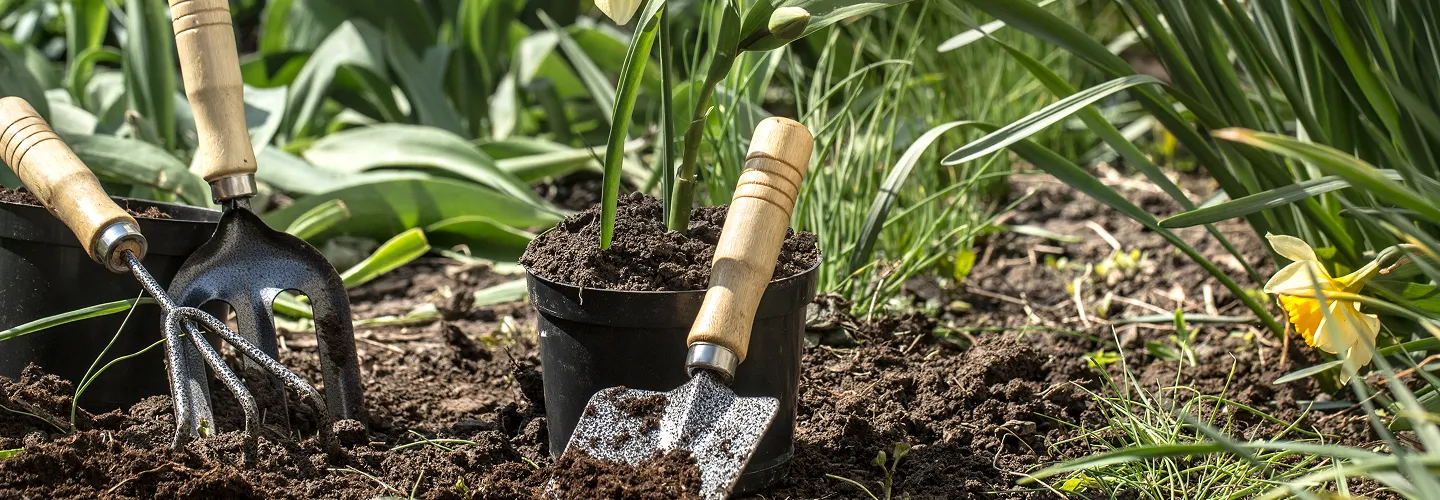
Southington Artificial Grass Installation Services
Choose our Artificial Grass Installation for a beautiful, maintenance-free lawn that saves you time, conserves water, and stays green all year long—perfect for families, pets, and anyone who wants a stunning yard without the work.
Get a Free QuoteOur Southington Landscaping & Yard Care Services
When to Schedule Artificial Grass Installation in Southington, Connecticut – Seasonal Guide
Timing your artificial grass installation in Southington, Connecticut, is crucial for achieving the best results and long-lasting curb appeal. The ideal installation window typically falls between late spring and early fall, when the ground is thawed, and weather conditions are stable. Southington’s climate features cold winters with frost extending into early April and humid summers, so scheduling your project after the last frost date and before the peak of summer heat is recommended. Neighborhoods near Crescent Lake or along Queen Street may experience varying shade coverage and soil drainage, which can influence installation timing and preparation.
Local environmental factors such as the risk of late spring frost, summer drought periods, and the region’s clay-heavy soils all play a role in determining the best time for your project. Homeowners should also consider municipal guidelines and any restrictions that may apply—helpful resources can be found on the Town of Sudbury’s website. Consulting with a local expert ensures your artificial turf is installed under optimal conditions for Southington’s unique landscape.
Benefits of Artificial Grass Installation in Southington
Low Maintenance Landscaping
Year-Round Green Appearance
Water Conservation
Pet-Friendly Surfaces
Allergy Reduction
Fast and Professional Installation
Southington Artificial Grass Installation Types

Residential Lawn Installation
-
Pet-Friendly Turf Solutions
-
Playground Artificial Grass
-
Commercial Landscape Turf
-
Sports Field Turf Installation
-
Rooftop and Patio Turf
-
Golf Putting Green Installation
Our Artificial Grass Installation Process
Site Evaluation
Ground Preparation
Base Installation
Laying Artificial Grass
Finishing and Inspection
Why Choose Southington Landscape Services
-
Southington Homeowners Trust Us
-
Expert Lawn Maintenance
-
Reliable Seasonal Cleanups
-
Competitive Pricing
-
Professional Team
-
Satisfaction Guarantee
-
Personalized Service
Addressing Southington’s Glacial Till Soils and Drainage for Artificial Grass Installation
Artificial grass installation in Southington requires careful consideration of the region’s predominant glacial till soils, which are typically rocky, moderately acidic (pH 5.5-6.5), and often poorly drained. According to the USDA Web Soil Survey, common soil series in Southington include Charlton-Chatfield and Canton soils, both of which may present compaction and drainage challenges. Proper site preparation should include removal of rocks larger than 2 inches, installation of a 3-4 inch crushed stone base for drainage, and grading to direct runoff away from structures. Soil testing is recommended prior to installation, with services available through UConn Extension. For properties near wetlands or watercourses, a 25-foot no-disturbance buffer is typically required, and all fill or grading must comply with local ordinances.
Southington Conservation Commission
75 Main Street, Southington, CT 06489
Phone: (860) 276-6219
Official Website: Southington Conservation Commission
Municipal Permitting and Zoning Requirements for Artificial Turf in Southington
Artificial grass projects in Southington are subject to municipal permitting and zoning review. The Southington Planning and Zoning Commission oversees land use compliance, including setbacks, lot coverage, and impervious surface calculations. Installation of artificial turf may require a zoning permit, especially in regulated areas or for projects exceeding 500 square feet. Permit applications typically require a site plan, $50-100 fee, and a 10-15 business day review period. For installations within 100 feet of wetlands, additional review by the Conservation Commission is mandatory. Residents must also comply with local noise ordinances for construction activities:
- Monday-Friday: 7:00 AM - 7:00 PM
- Saturday: 8:00 AM - 6:00 PM
- Sunday/Holidays: Prohibited
Southington Planning and Zoning Commission
75 Main Street, Southington, CT 06489
Phone: (860) 276-6248
Official Website: Southington Planning and Zoning Commission
Environmental Compliance: Stormwater, Wetlands, and State Regulations in Southington
Artificial grass installation must comply with both local and state environmental regulations to protect Southington’s water resources. The town operates under an MS4 permit as required by the Connecticut Environmental Protection Act and the Clean Water Act. Installers must ensure that no synthetic turf infill, debris, or runoff enters storm drains or watercourses. Key requirements include:
- Maintain a 25-foot buffer from wetlands and streams
- Prohibit infill migration into stormwater systems
- Use permeable base layers to promote infiltration
- Schedule work to avoid heavy rain events (consult National Weather Service)
For projects near protected areas, coordinate with the Conservation Commission for additional review. State-level guidance is available from the Connecticut Department of Energy and Environmental Protection.
Connecticut Department of Energy and Environmental Protection
79 Elm Street, Hartford, CT 06106
Phone: (860) 424-3000
Official Website: Connecticut Department of Energy and Environmental Protection
Professional Standards and Safety Protocols for Artificial Grass Installation in Southington
All artificial grass installation in Southington must adhere to professional safety and equipment standards. Installers are required to use:
- Eye protection: ANSI Z87.1 safety glasses
- Hearing protection: Earmuffs or plugs for noise above 85 dB
- Footwear: Steel-toed, non-slip boots
- Gloves: Cut-resistant for handling base materials
Equipment such as compactors and power cutters must be maintained per manufacturer guidelines, with blade changes every 20-25 hours of use. Work zones within 15 feet of public roads require high-visibility vests and traffic cones. All personnel must comply with local construction hours and noise limits. For large-scale projects, coordinate with the Southington Department of Public Works for right-of-way access and debris disposal procedures.
Southington Department of Public Works
75 Main Street, Southington, CT 06489
Phone: (860) 276-6233
Official Website: Southington Department of Public Works
What Neighborhoods Do We Serve Throughout Southington, CT?
- Plantsville: Features older residential lots with compacted glacial till soils and moderate drainage challenges, requiring thorough base preparation for artificial turf.
- Marion: Characterized by larger lots and proximity to the Quinnipiac River, where wetland buffers and stormwater controls are critical for compliance.
- Milldale: Includes mixed-use and industrial areas with variable soil fill and potential for underground utilities, necessitating careful site assessment and coordination with municipal departments.
- Southington Center: Historic district with mature trees and narrow lots, often subject to additional zoning review and tree protection requirements.
- East Street Corridor: Newer developments with improved drainage infrastructure but stricter impervious surface limits and HOA guidelines for landscaping.
- West Southington: Contains sloped properties and areas near conservation land, where erosion control and buffer maintenance are essential for environmental compliance.
- Spring Lake Village: Senior community with smaller lots and HOA oversight, requiring adherence to community standards and accessibility considerations for installation crews.